
At FLEYF, quality is not accidental — it is engineered. Every pair of shoes goes through a structured development and manufacturing process to ensure comfort, durability, and performance.
(The Foundation of Every Great Shoe)
A shoe last is the three-dimensional mold that determines
the shape, fit, and structure of a shoe.
It is the foundation of comfort, appearance , and overall
wearability.
The right last directly affects foot support, sizing accuracy,
and long-term comfort.
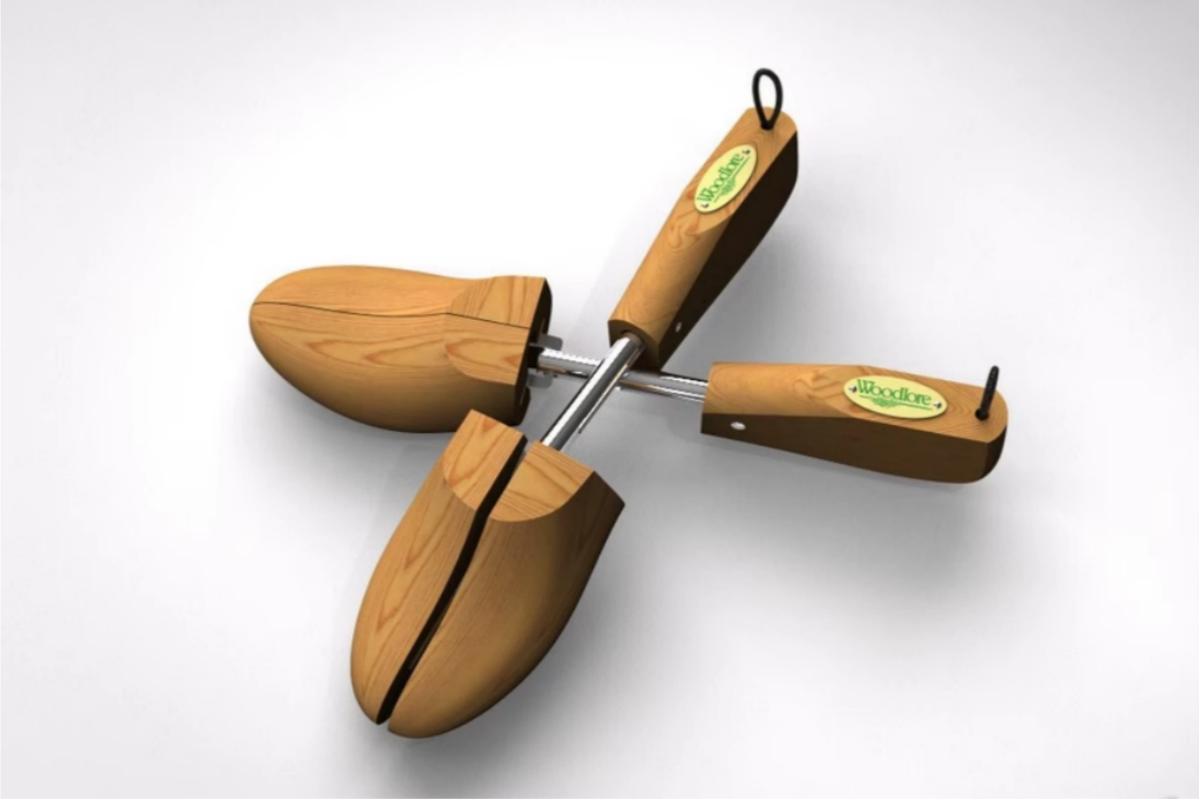
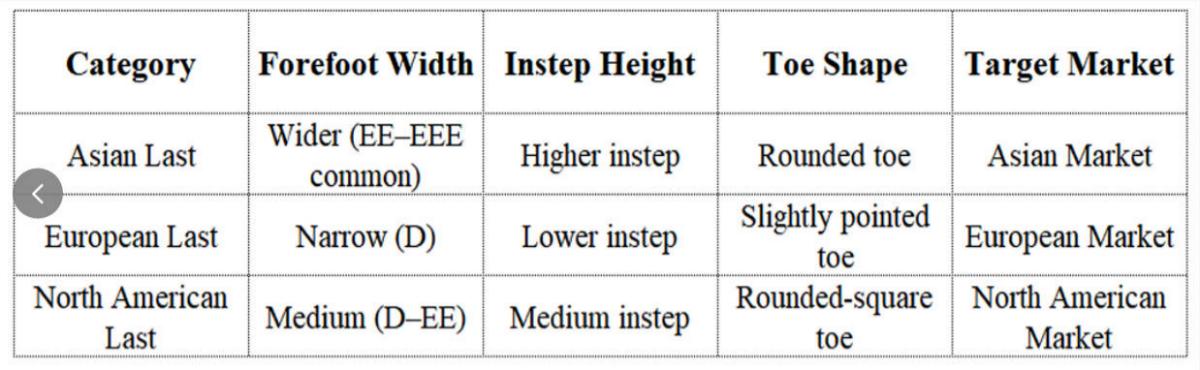
Our factory selects shoe lasts based on:
We also develop customized lasts for private label and OEM clients to ensure unique brand identity and optimal fit.
(Performance Begins with the Right Materials)
High-quality athletic and casual shoes rely on carefully selected materials. Below are the most commonly used materials in modern sneaker manufacturing:
(Precision Meets Innovation)
At the heart of every premium shoe lies a precisely engineered last.
At FLEYF, last development is not guesswork—it is data-driven design.
Before mold creation, we utilize 3D printing technology to:
3D printing is primarily applied during our research and development
stage, not mass production.
This allows us to evaluate structural integrity and comfort before
investing in steel molds.Benefits of 3D Printing Integration
By combining digital modeling with physical prototyping, we ensure
that each design moves to mass production with minimized risk and
enhanced accuracy.
(Where Craftsmanship Comes Together)
A shoe upper is not simply “glued on.”
It is shaped, prepared, and bonded through a controlled assembly process.
The upper is first pulled tightly over the shoe last and
securely fixed in place to form the final shoe shape.
Accurate lasting is essential. Any inconsistency at this stage will directly affect both comfort and visual symmetry.
Both the bottom of the upper and the bonding surface of the outsole are:
The purpose is simple:
to ensure the adhesive can properly bond to both surfaces.
After preparation, adhesive primer and bonding glue are applied
according to material specifications.
After industrial-grade adhesive is applied, both the upper and
the outsole are placed into a controlled heating chamber.
This process activates the adhesive and brings it to its optimal bonding condition, ensuring proper adhesion during
assembly.
The bonded shoe is then placed into a pneumatic pressingmachine, where it is pressed under controlled pressure for
approximately 10 seconds.
Only after pressing does the bonding process begin its final curing stage.
(Quality Verified Before Delivery)
Every finished pair must pass strict quality control and performance testing.
→Strengthen adhesive formula and increase pressing time
→Adjust material thickness and improve flexibilit
→Re-check last measurement and pattern grading
→Improve temperature control during molding
Our sales will respond you within 24 hours